Most homes run out of space long before their owners are ready to move. The kids get bigger, someone starts working from home, and the kitchen suddenly feels like a corridor.
An extension can fix that without the cost and upheaval of moving. Here are seven ideas that work well for homes across Caterham and South London, plus what to check before you commit.
Start With What Your Home Can Actually Take
The best idea on paper isn’t always the best idea for your house. Plot size, neighbouring properties, and planning rules all shape what’s realistic.
A 1930s semi in Coulsdon and a Victorian terrace in Clapham need very different solutions. Have that conversation early, and you’ll avoid designing something you can’t build.
7 Ideas Worth Considering
Here’s a quick tour, from simple to ambitious.
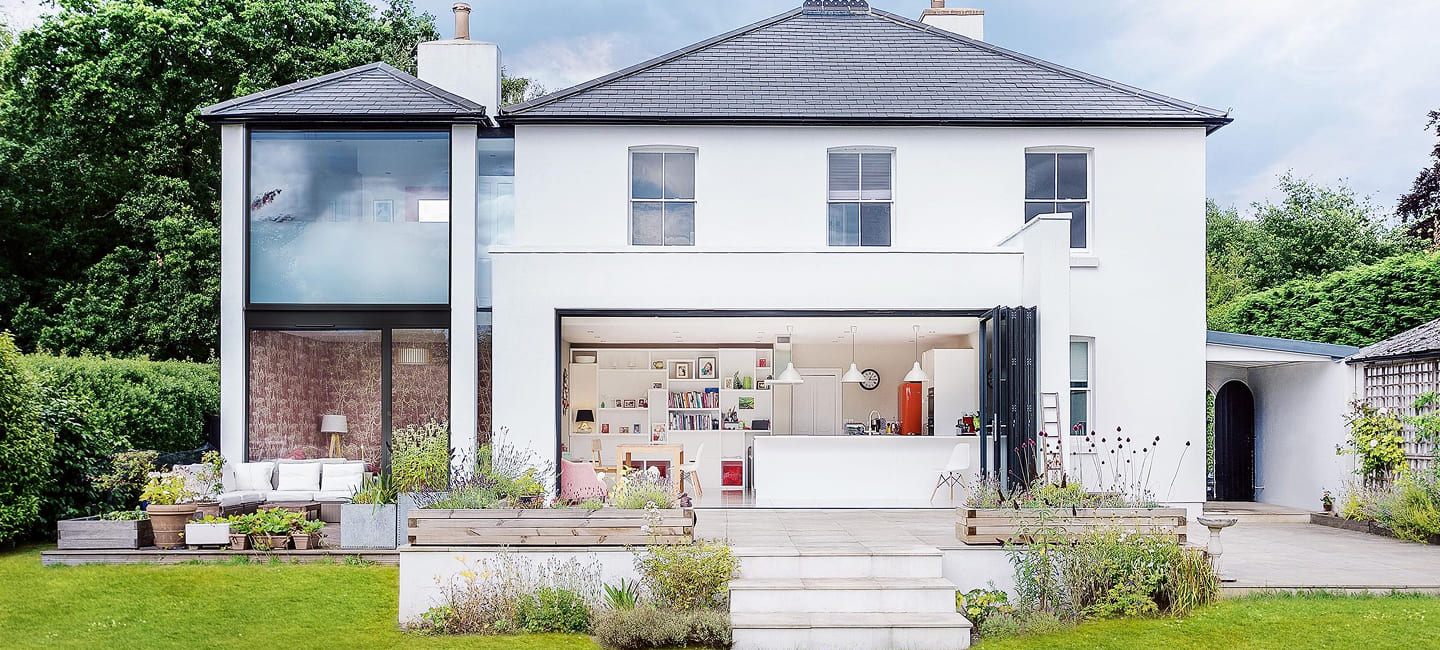
- Single-storey rear extension. The classic. It opens up the back of the house for a bigger kitchen or family room, and it often falls within permitted development.
- Side-return extension. Ideal for Victorian and Edwardian terraces with a narrow strip of unused land beside the kitchen. Filling it in can transform a dark galley kitchen.
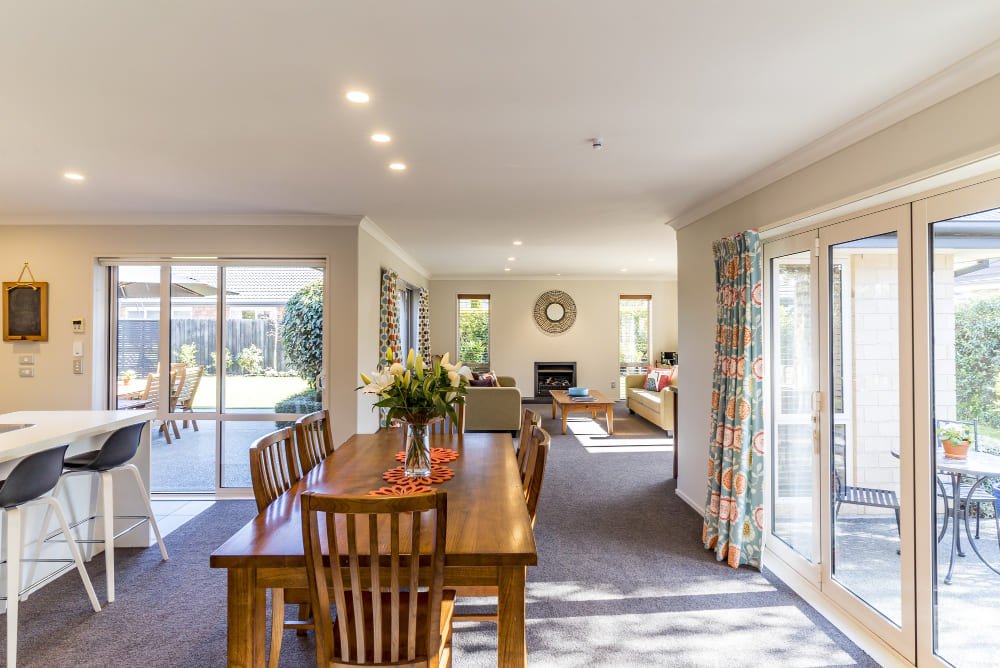
- Wraparound extension. Combine a rear and side extension for one large open-plan space. It suits semis with room to spare at the side.
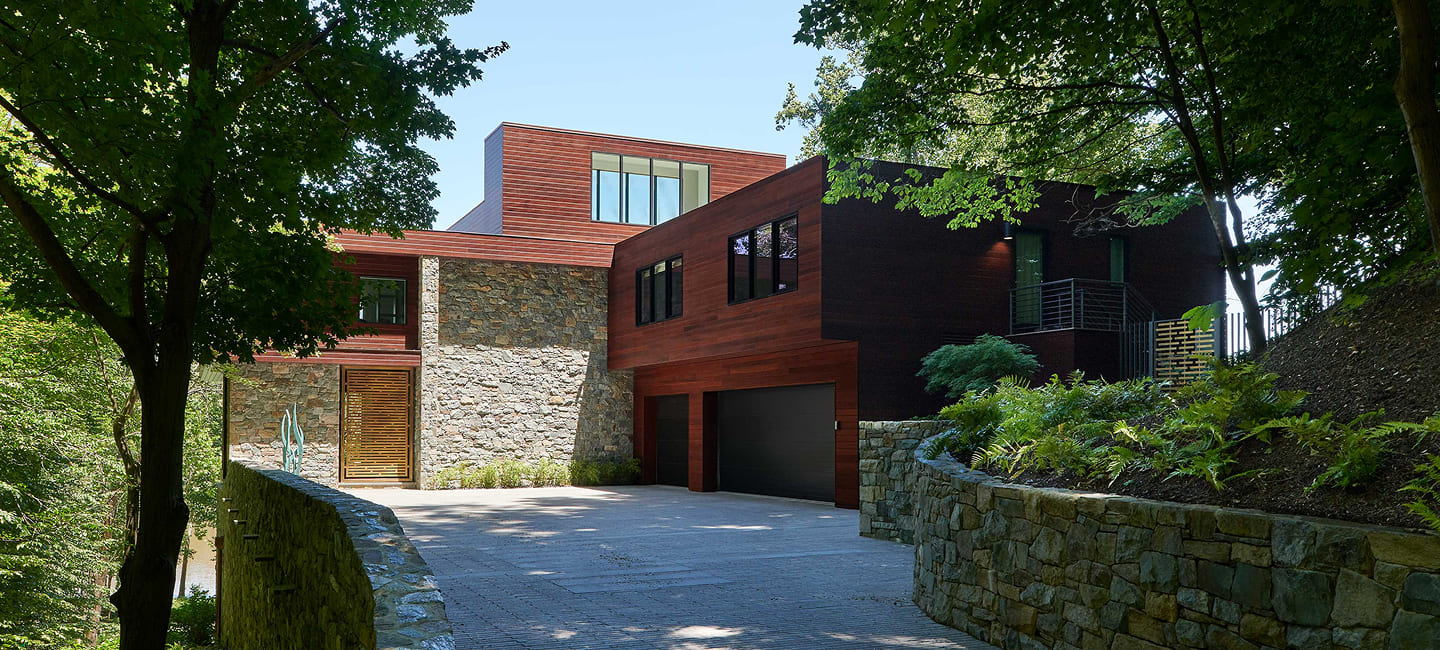
- Double-storey extension. This adds a room downstairs and another upstairs. It spreads the cost of foundations and roof across two floors of new space.
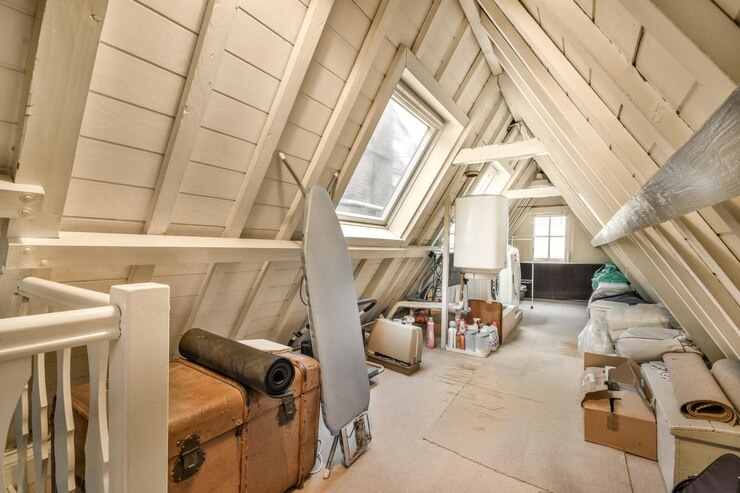
- Loft conversion. Technically not an extension, but often the simplest way to gain a bedroom and bathroom without losing any garden.
- Garage conversion. A garage that rarely holds a car can become an office, playroom, or guest room. It’s usually quicker and cheaper than building new.
- Glazed or orangery-style extension. Plenty of glass brings in light and links the house to the garden. Good thermal glazing keeps it comfortable all year.
Home Extension Ideas and Budget: What to Expect
In the South East, extensions often cost roughly £2,000 to £3,500 per square metre, depending on specification. Treat that as a rough guide, because a proper quote needs drawings and a site visit.
A few things move the figure more than most:
- Size and complexity of the design
- Structural openings and steelwork
- Ground conditions and foundations
- Kitchen and bathroom fit-out
- Glazing, finishes, and site access
Will It Add Value?
Often, but not automatically. Value depends on local prices, how well the new space works, and how it affects the rest of the house.
The best home extension ideas add space people actually use, like a larger kitchen or an extra bedroom. Ask a local estate agent what buyers in your area pay extra for before you spend.
Avoid over-building for the street. An extension that costs more than it adds rarely makes sense unless you’re staying put.
Planning, Permission, and Paperwork
Rules vary by property, so check before you design anything. A few points come up often:
- Permitted development can cover some single-storey and loft projects, but not every house qualifies
- Conservation areas, flats, and Green Belt properties face tighter limits
- Building Regulations approval is needed for almost all extensions
- The Party Wall Act applies if you build on or near a shared boundary
- Your council can confirm what’s allowed through a lawful development certificate
Choosing the Right Team
If you’ve been searching for house extensions near me, you’ll know how many names come up. Narrowing the list takes a few simple checks:
- Visit a finished project or ask for references
- Get an itemised written quote
- Check insurance and relevant accreditations
- Ask who manages the site day to day
- Agree a payment schedule tied to progress
Local knowledge counts too. Established builders in Caterham will know how nearby councils tend to treat extensions, and the quirks of local housing.
That’s the approach at Decor Construction Group: survey first, then a clear quote.